Build better apps. Not just more code.
Anyone can build software with AI. The challenge is building something people actually use, trust, pay for, and scale. That's where Appkitekt comes in.

Most app failures are not technical failures. They are strategic ones.
The cost of building software has collapsed. The cost of building the wrong software hasn't moved. The teams that win are the ones who decide what to build before they decide how.
- Starts with features
- Starts with screens
- Starts with coding
Expensive rebuilds. Late pivots. Sunk-cost decisions disguised as a roadmap.
- Starts with value
- Starts with systems
- Starts with strategy
Faster adoption. Lower risk. Better ROI. A product, not a project.
Technology supports business systems. Not the other way around.
Most teams treat technology as the destination. We treat it as the foundation. Outcomes sit on top of value creation, which sits on top of technology — in that order, every time.
Business Outcomes
Revenue, retention, market position. What the business actually needs the app to do.
Value Creation
Utilities, content and monetization — the systems that turn capability into willingness to pay.
Technology
Features, databases and designs. Necessary, never sufficient. The means, not the end.
Six building blocks. Skip one and the app leaks money.
Every app we ship is assembled from the same six blocks. They aren't features to add — they're a checklist of where most apps break.
Features
What the app actually does. Hygiene plus advantage — table stakes and the reason users pick you.
Databases
The most important layer. Data architecture drives everything downstream, including what's possible to change later.
Designs
How users experience value. UX governs how it feels. UI governs how it looks. Both decide whether anyone returns.
Utilities
Pain relievers and gain creators. The functional jobs the app does for the user, not the features it ships with.
Content
Education and entertainment. The reason users open the app on a Tuesday afternoon when nothing is broken.
Monetization
AOV, LTV, ARPU. Revenue systems designed up front, not bolted on after launch when habits are already set.
Why most AI-built apps fail. And what to do instead.
Generation is solved. Judgement isn't. Five recurring failure modes account for almost every dead AI-built app we've reviewed.
Lack of Strategy
Teams jump into prompts and pixels. Without a value thesis, every later decision is a guess dressed up as a feature request.
Poor QA
Testing is reactive, not designed. Bugs ship. Trust evaporates. Acquisition cost climbs to compensate for retention that never arrives.
Weak Database Design
Founders underestimate data architecture. Schemas get rewritten under pressure, and the rebuild costs more than the original build.
No Monetization Plan
Revenue is treated as a phase-two problem. By phase two, the product is shaped around free users who will never convert.
No Adoption System
Nobody designs onboarding, retention or growth. The app launches into silence and gets called a marketing problem.
Brain first. Muscles later.
The fix isn't more code or more agents. It's strategy, structure and QA in the right order.
Five programs. One operating model.
Start anywhere on the path. We meet you where you are — and structure the engagement to leave you self-sufficient, not dependent.
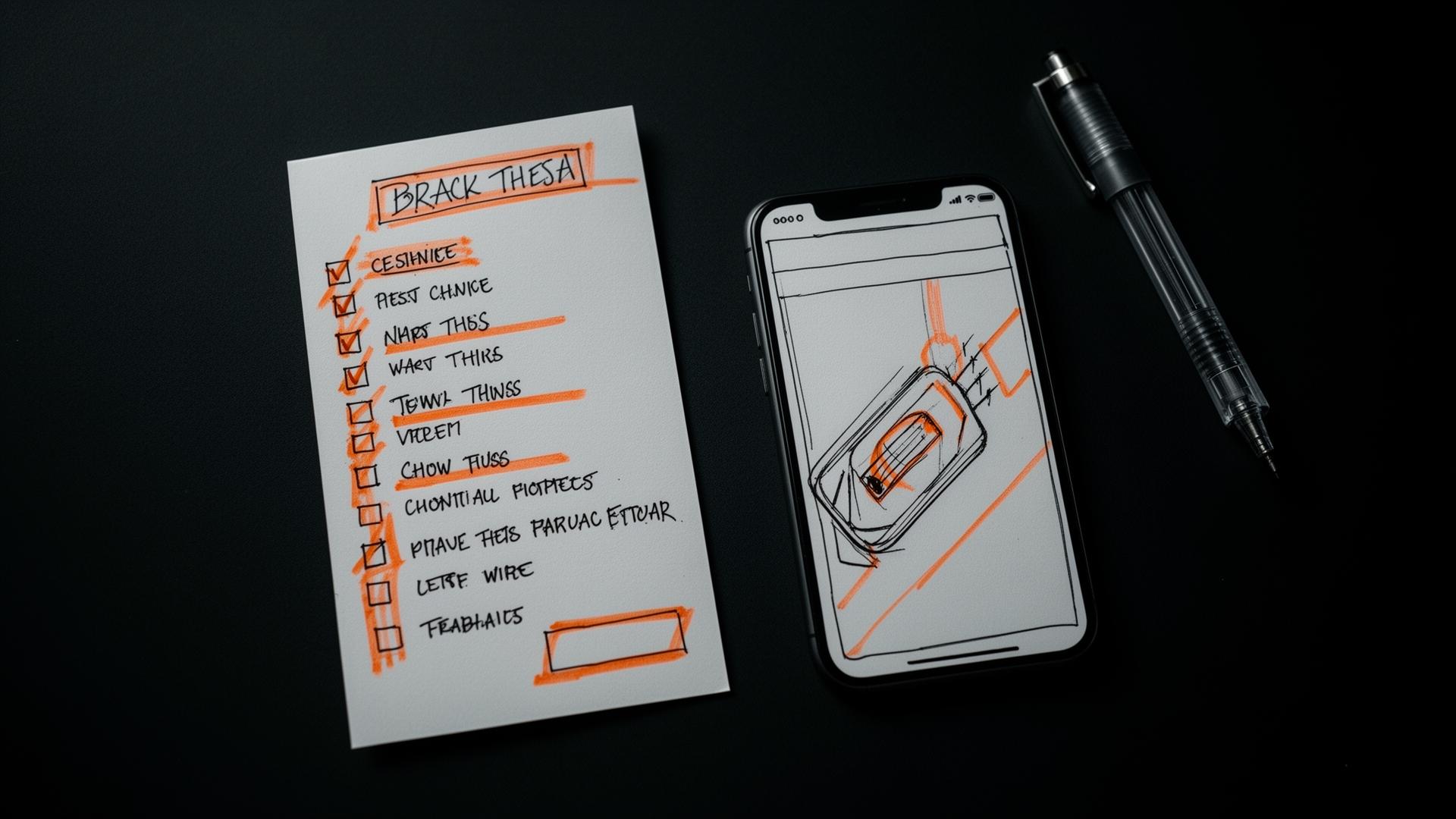
Discovery
Identify opportunities and decide whether an app is the right vehicle at all.
Clarity on whether to proceed — and on what terms.
- Pre-assessment checklist
- Business & operations review
- Go / no-go memo with scoping inputs
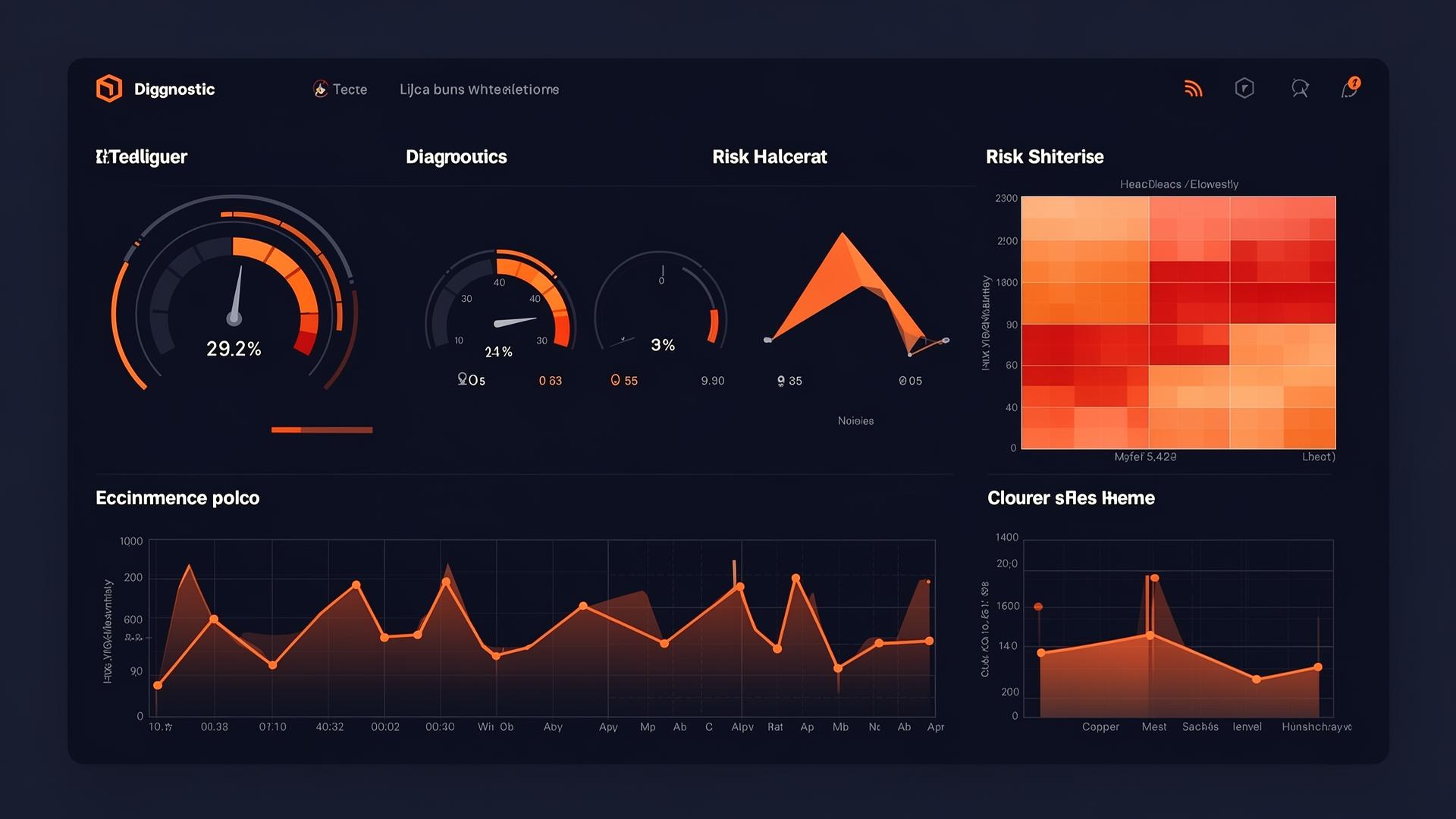
Assessment
Understand the current state. Stress-test the idea before any code or design budget is committed.
A verdict — proceed, pivot, or stop — with evidence behind it.
- Landscape & competitive analysis
- Audience and demand validation
- Monetization viability + risk register

Blueprints
Define the system. Translate strategy into a buildable spec your team (or ours) can ship against.
A blueprint that survives contact with reality.
- Product strategy & value proposition
- Database schema, feature map, wireframes
- Monetization design + launch readiness checklist
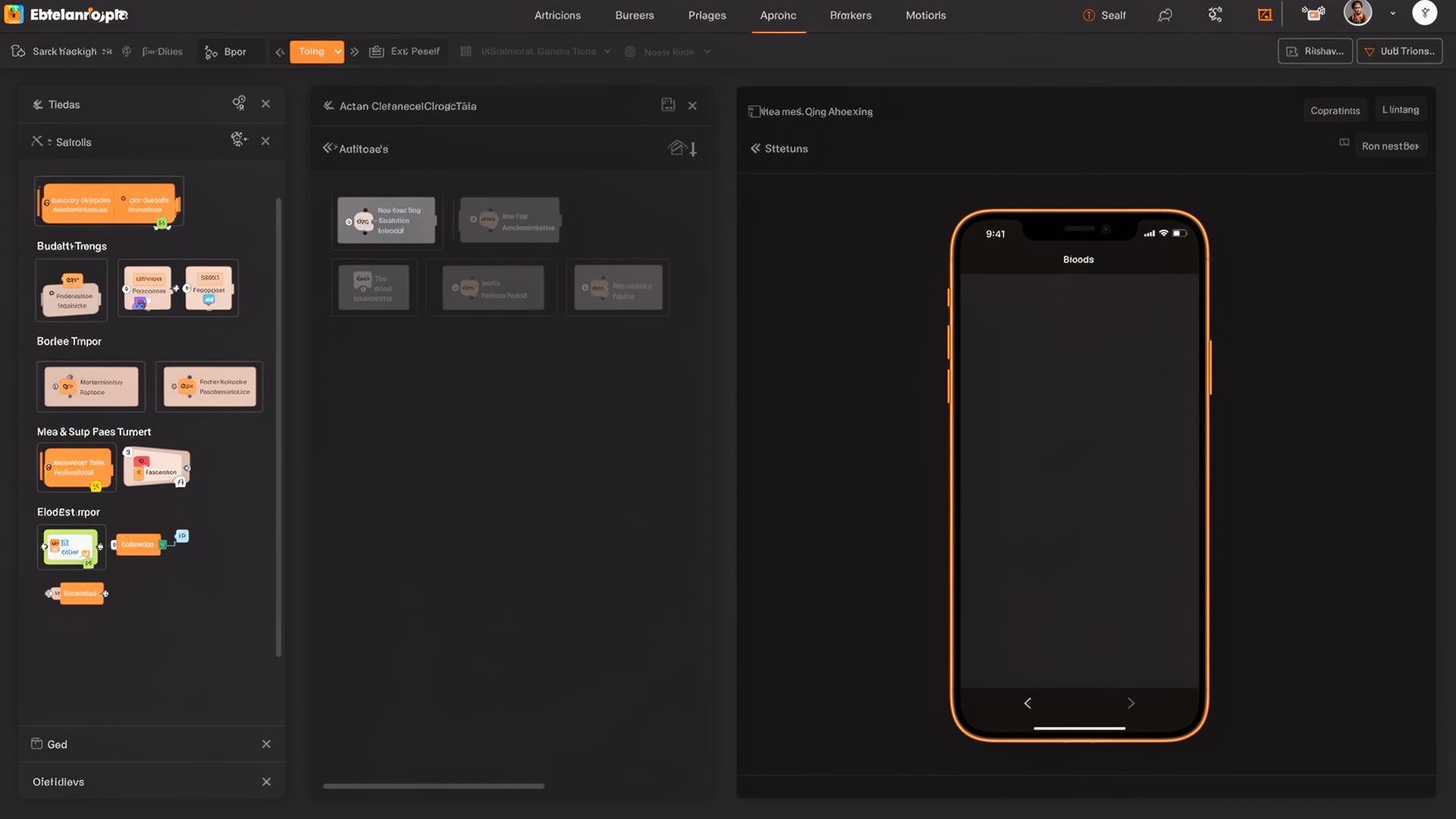
Implementation
Build and iterate. Strategy-led, AI-accelerated, shipped under the framework that prevents the common failure modes.
A working app you own — not a black box.
- Database build & feature wiring
- Design, content & monetization in product
- QA cycles, app store publishing, export to your account
Coaching
Transfer ownership. Make the app sustainable in-house without a permanent dependency on us.
A team that can operate, evolve and grow the app on its own.
- Mini-playbooks per topic
- Explainer videos and live working sessions
- 90-day post-handover bug-fix window
From idea to operational system.
Ten milestones from a hunch to a self-running app. A focused MVP can hit the App Store in 24 hours. Full scalability, typically within a week. You set the pace; we structure to match.
- 0101Discovery
- 0202Assessment
- 0303Strategic Planning
- 0404Technical Blueprint
- 0505Prototype
- 0606MVP
- 0707MDP / MMP / MSP
- 0808Optimization
- 0909Training
- 1010Handover
MVP = Minimum Viable Product. MDP = Minimum Deployable Product. MMP = Minimum Marketable Product. MSP = Minimum Scalable Product. We build for all four.
Web and mobile. Same discipline, different surface.
Mobile is harder by default — that's how we trained. Web is faster by default — that's where most of our work ships. The methodology is identical.
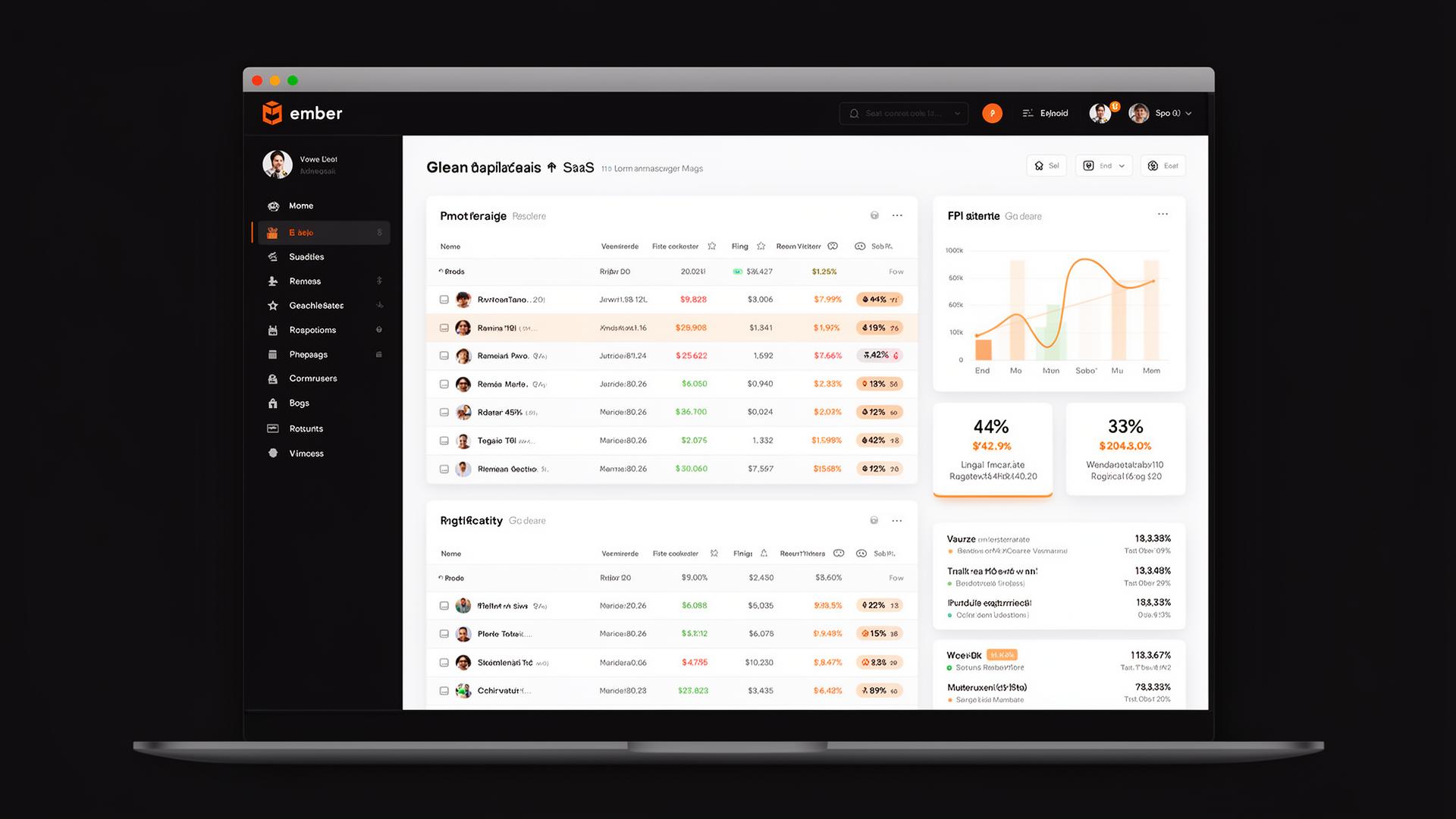
- SaaS products
- Internal tools
- Dashboards & analytics
- AI tools & copilots
- Marketplaces
- Client portals
AI-powered. Human-led.
Most agencies add more people. We add systems. One strategist, an operating system of agents, and a pipeline that turns a brief into a working app — faster than a five-person team, with the same accountability as one.
Human strategist
Sets the value thesis, scope and priorities — accountable for outcomes.
AI operating system
Coordinates eight specialist agents across strategy, analytics, QA, docs, implementation and training.
Execution engine
No-code platforms, integrations and pipelines — the muscle that ships the work.
Deliverables
Blueprint, working app, training and a team that can run it.
Coordinated through one operating model
Built for organizations that take apps seriously.
Founders
Validate ideas faster — without burning runway on the wrong build.
Startups
Reach MVP sooner with a system that survives the next funding round.
SMEs
Digitize operations without hiring an engineering department.
Enterprises
Modernize legacy systems with a pragmatic, low-risk path.
Agencies
Build internal platforms that scale your service delivery.
A decade of building, fixing and shipping other people's apps.
Appkitekt is led by Binh Dang — a strategist who's spent ten years inside the app industry, across agencies, consultancies, in-house teams, publishers, indie studios and his own apps. The methodology on this page isn't theory. It's what survived contact with 250+ products.
- 10 years operating inside the app industry
- Worked with global brands: Spotify, Flo, Headspace, Revolut, Candy Crush, eBay, Hulu, eToro
- Built systems that helped raise $9M+ in VC funding
- Led app growth at a unicorn and at France's #1 fastest-growing startup
- Trained at Phiture; named an App Leader by Business of Apps
- Experience from indie and SME to enterprise — every side of the table
No black boxes. Just deliverables.
Most service pages hide what you're paying for. Here's the matrix — what each program produces, mapped to the discipline it touches.
| Discipline | Discovery | Assessment | Blueprint | Implementation | Coaching |
|---|---|---|---|---|---|
| Research | — | — | |||
| Architecture | — | — | |||
| Documentation | |||||
| QA | — | — | — | ||
| Training | — | — | — | — | |
| Governance | — | ||||
| Handover | — | — | — |
Common questions, answered plainly.
Let's design the right app before building it.
Get a structured recommendation based on your business goals, technical requirements and growth plans. Three to five minutes. No email required.